
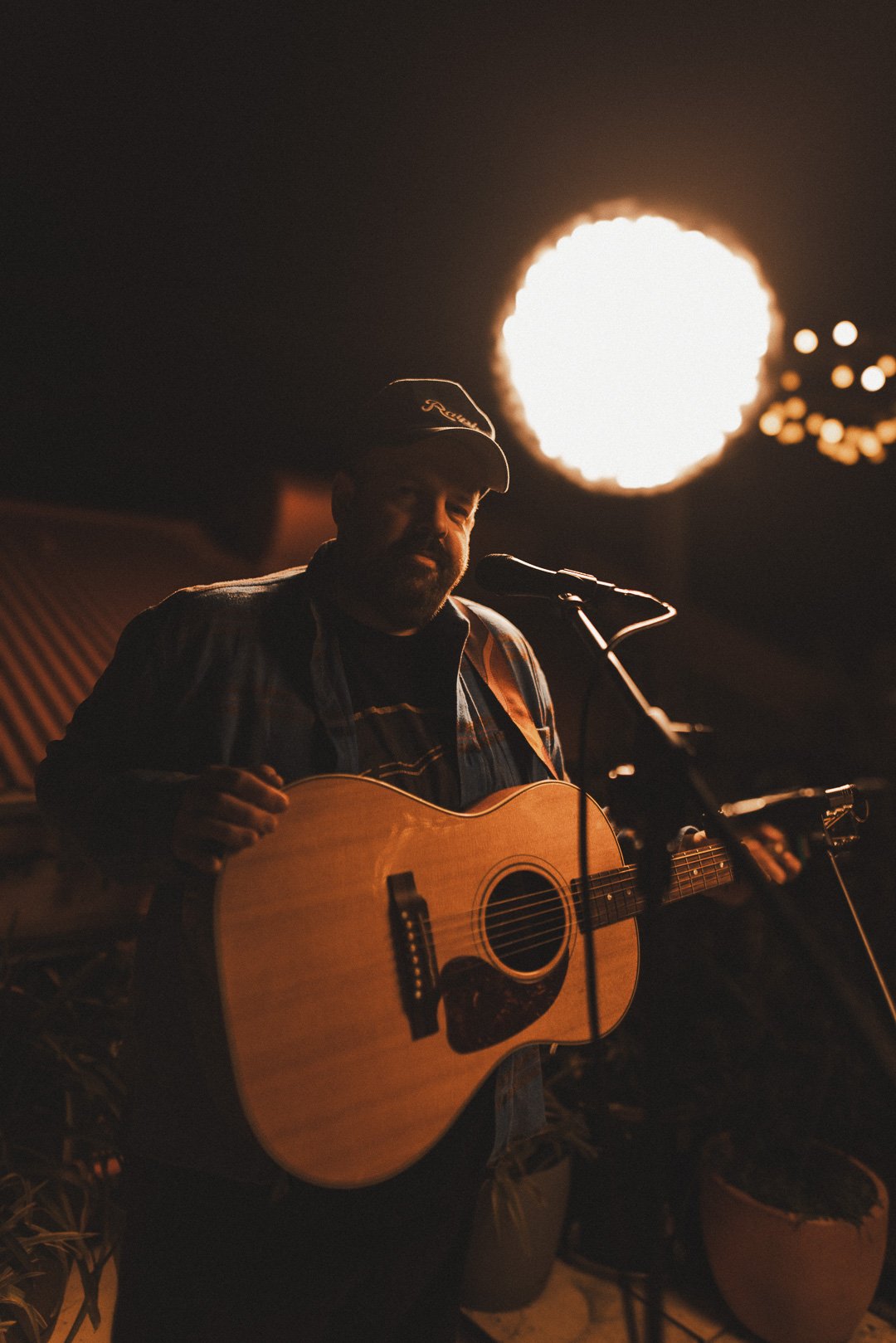
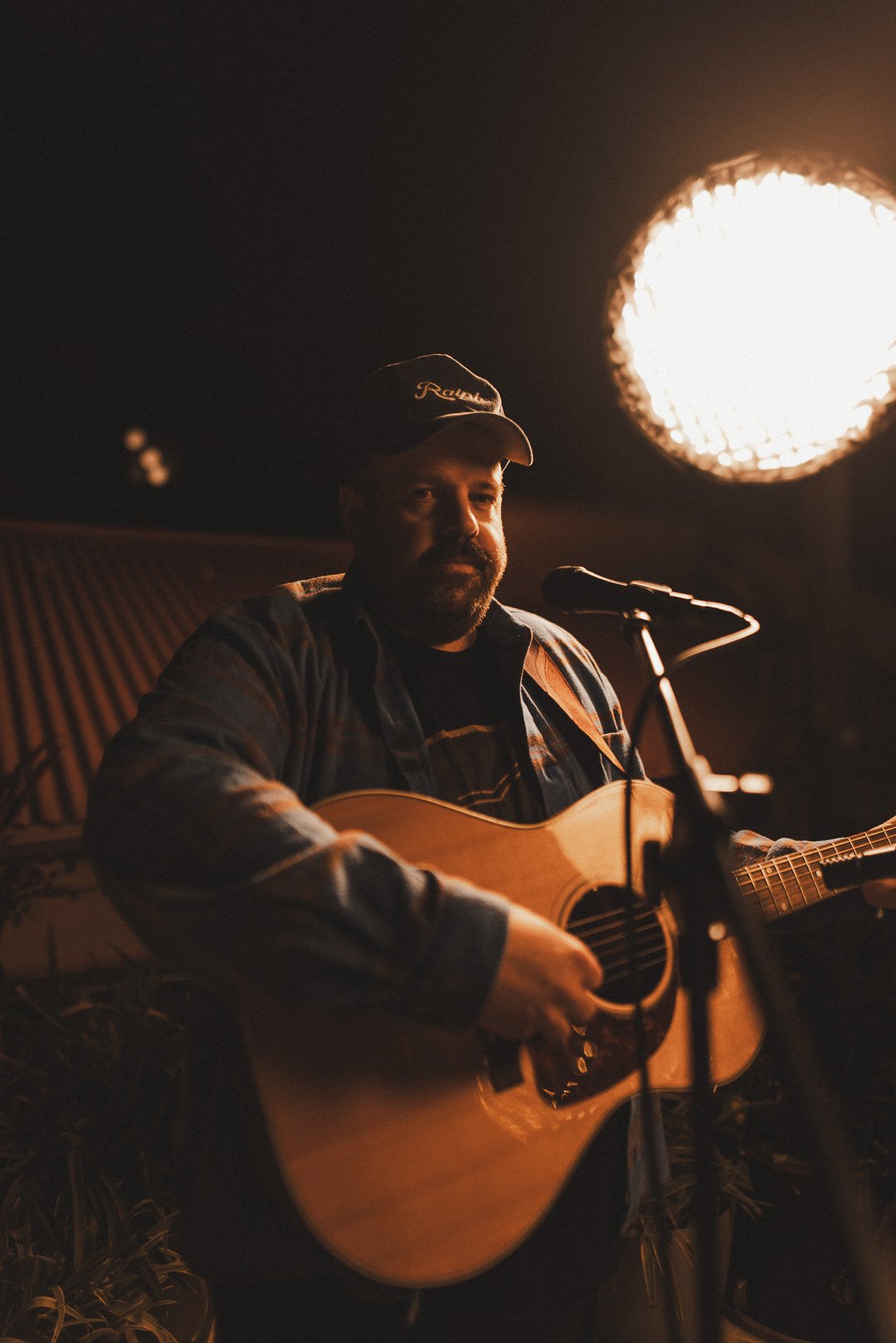
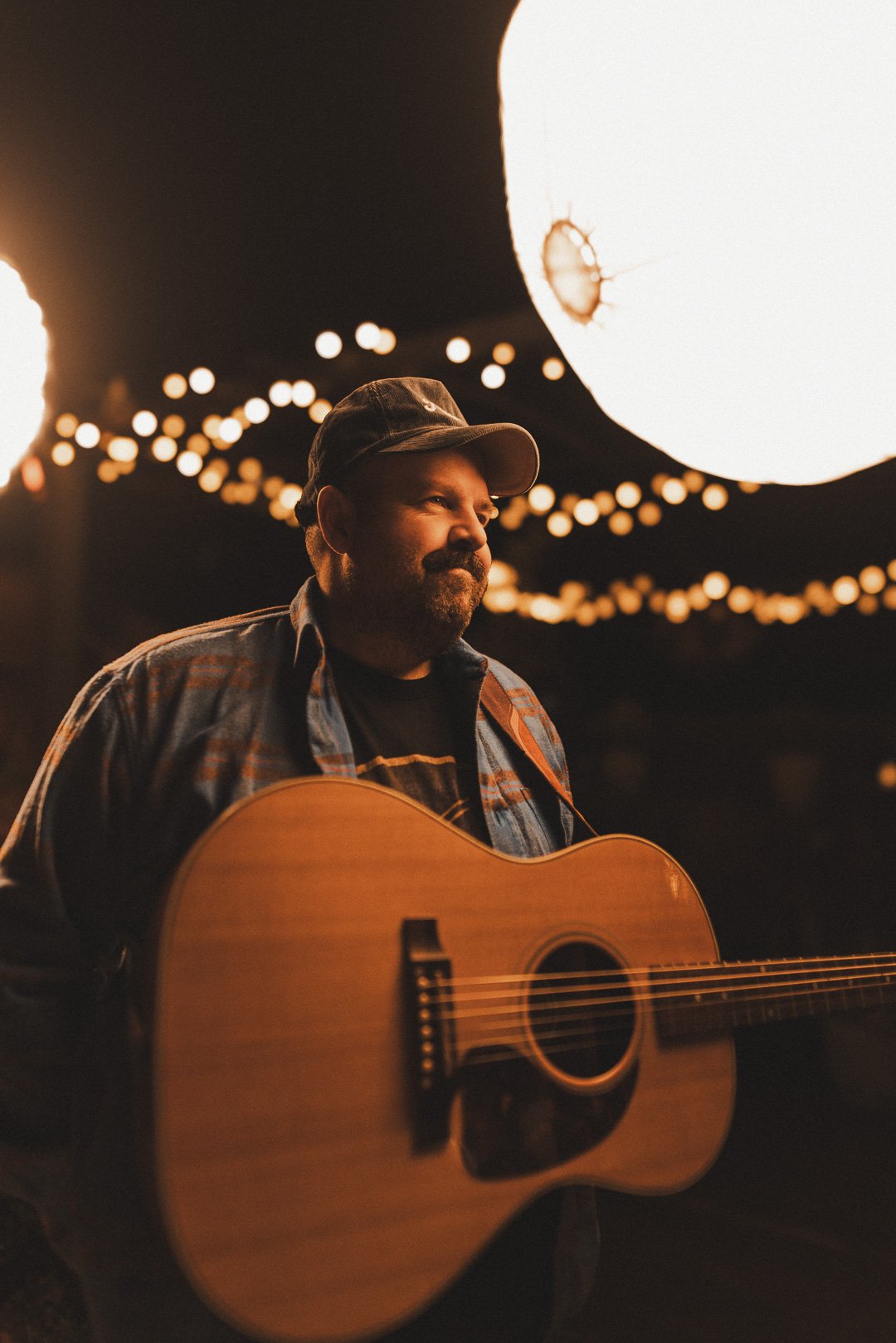
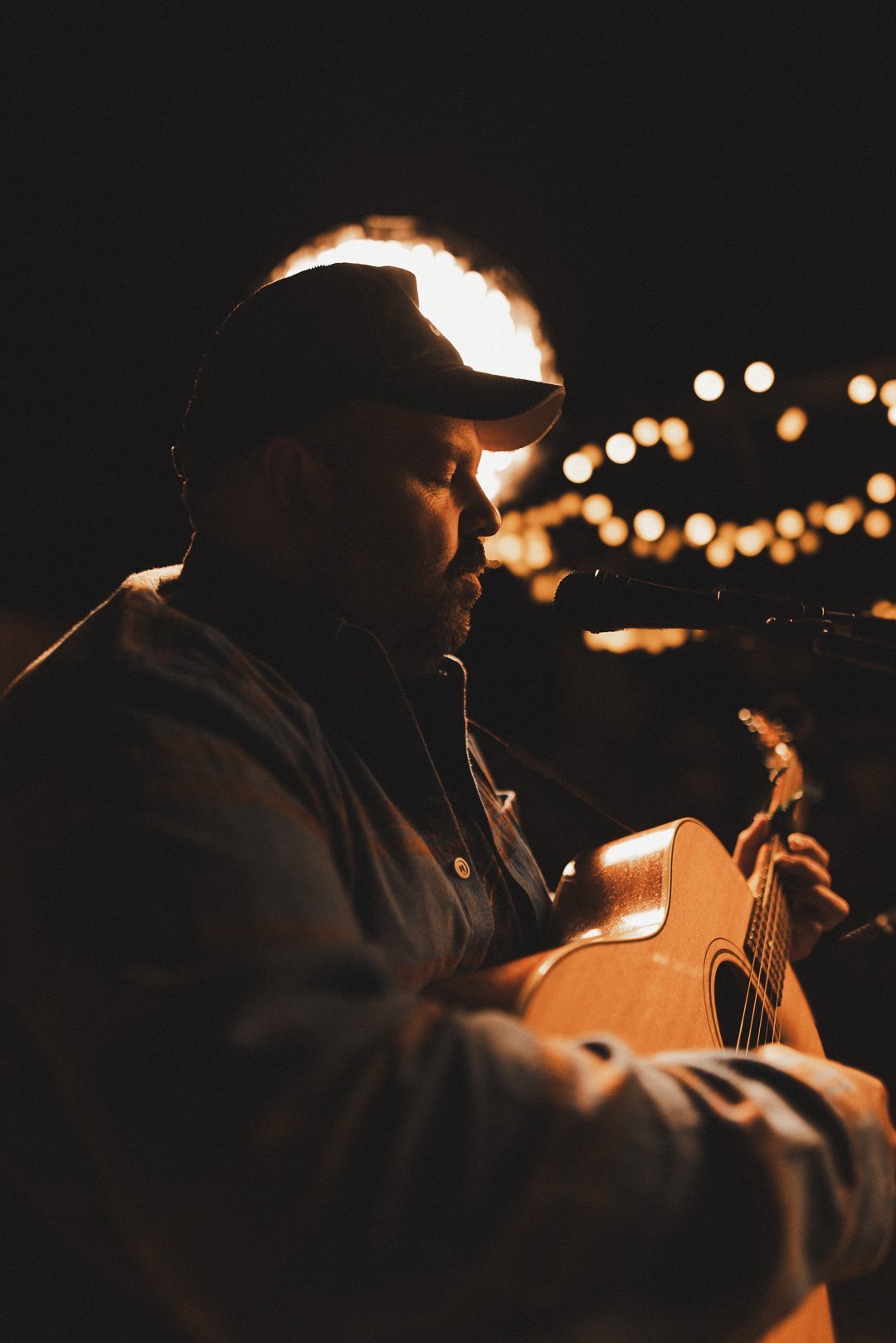
Donovan Woods is a Canadian singer-songwriter who has spent nearly two decades quietly redefining what modern roots music can be. Born and raised in Sarnia, Ontario, he began writing songs as a teenager, not out of ambition but out of necessity — a way of making sense of the world around him. Over the years he’s built a body of work that’s attentive, grounded and emotionally unflinching, rooted in folk and country traditions but never beholden to them.
Over the years, Woods has become a songwriter’s songwriter. His albums have earned Juno Award recognition, his songs have been covered by major artists, and his touring has taken him across North America, Europe, the UK, and Australia. None of that has changed the way he writes. He still works in small scenes and specific details, trusting that if the moment is true, the meaning will carry.
That approach is central to Back for the Funeral. Co-written with Lori McKenna and Matt Nathanson, the song came from a familiar but rarely articulated experience: returning home only when someone has died. It captures the odd rhythm of those reunions, the catching up in car parks and living rooms, the way laughter and grief sit in the same conversation. Woods does not frame it as a tragedy. Instead, the song feels observational, almost documentary, letting the reality of the moment unfold without commentary. It is about growing older, watching time pass, and realising that some relationships only surface in moments of loss.
When Our Friends Come Over shifts the focus inward. Written and performed with Madi Diaz, the song looks at how relationships change when other people enter the room. It is a quiet study of partnership, of the way shared history can be revealed and refreshed through friendship. There is a looseness to the song that mirrors its subject. It feels lived-in, like something overheard rather than announced. Woods and Diaz trade lines with an ease that suggests familiarity rather than performance.
What ties these songs together is Woods’ refusal to overstate. He is not interested in emotional shortcuts or tidy resolutions. His writing trusts the listener to recognise themselves in the scenario, whether it is standing at a funeral or sitting at a kitchen table while friends arrive. The power comes from restraint, from letting the song exist as a reflection rather than a conclusion.
Across his broader body of work, Woods has remained consistent in that philosophy. His records do not chase trends or reinvention. Instead, they document where he is at, emotionally and personally, at a given point in time. That consistency has earned him a loyal audience, one that values honesty and craft over spectacle.
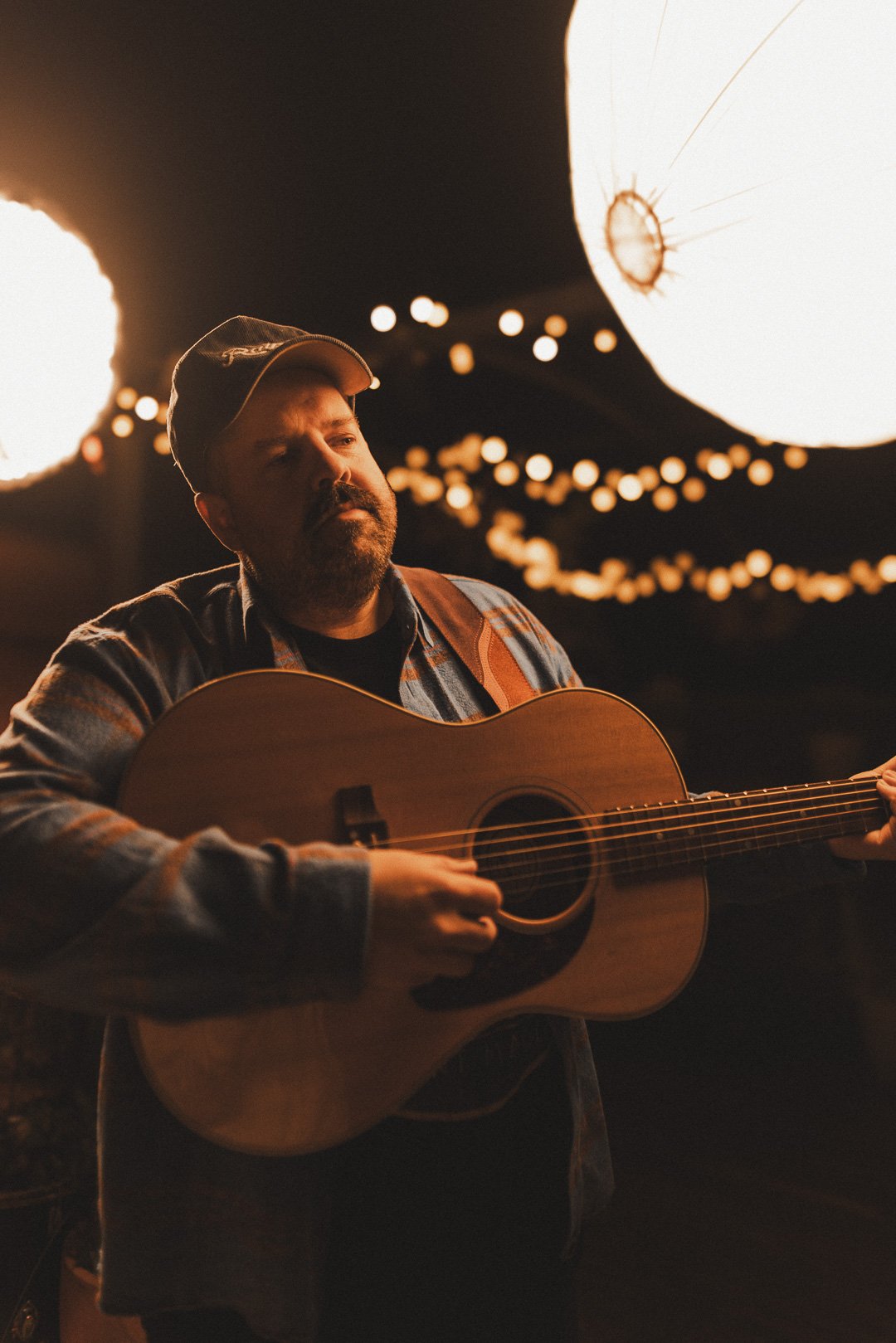
On stage, Woods brings the same sensibility. His performances are unforced and grounded, built around the strength of the song rather than theatrics. Whether playing solo or alongside collaborators, the focus remains on connection, between the writer, the song, and the room.
Donovan Woods occupies a space that feels increasingly rare. He writes songs that feel like real life, without smoothing the edges or rushing to meaning. In Back for the Funeral and When Our Friends Come Over, that approach is on full display. These are songs about people, time, and the moments that define us once we slow down enough to notice them.

MORE MOODS

Nick Mulvey United Kingdom
Nick Mulvey pulled up to the roof solo for two songs and twelve years between them, “Dark Harvest”, the title track off his fourth album, and “Fever to the Form”, his fan favourite dropped in 2014.

Jack Gray Australia
Jack Gray performs Winter City like a late check-in from the road, all cold-air pop hooks and touring fatigue, the sound of an Australian kid looking around a foreign skyline and turning the homesick feeling into something you can sing along to.

Chris Lanzon Australia
Chris Lanzon returns to the roof, with alll of this artistic growth coming to fruition on Lanzon’s long-awaited debut album, “You’re Missing The Best Part”. Lanzon steps back in with an expanded arrangement and bringing friends for “Dinner Party” and “Weatherman”.
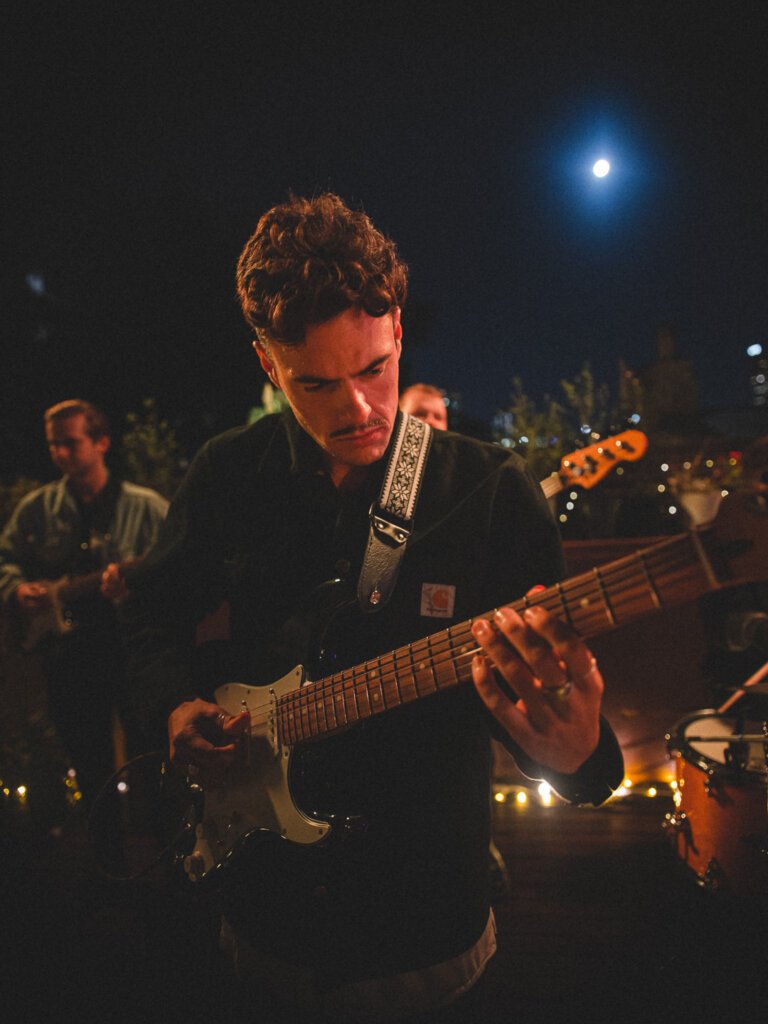
Oly Sherman Australia
Oly Sherman is a fresh-faced Sydney indie-folk artist settling into his well-deserved spotlight, having just released his debut album, Land Of All Pretend.